Electric Hot Water Systems Perth
Electric storage and instantaneous hot water systems. Simple installation, reliable performance. Upgrade options to more efficient systems.
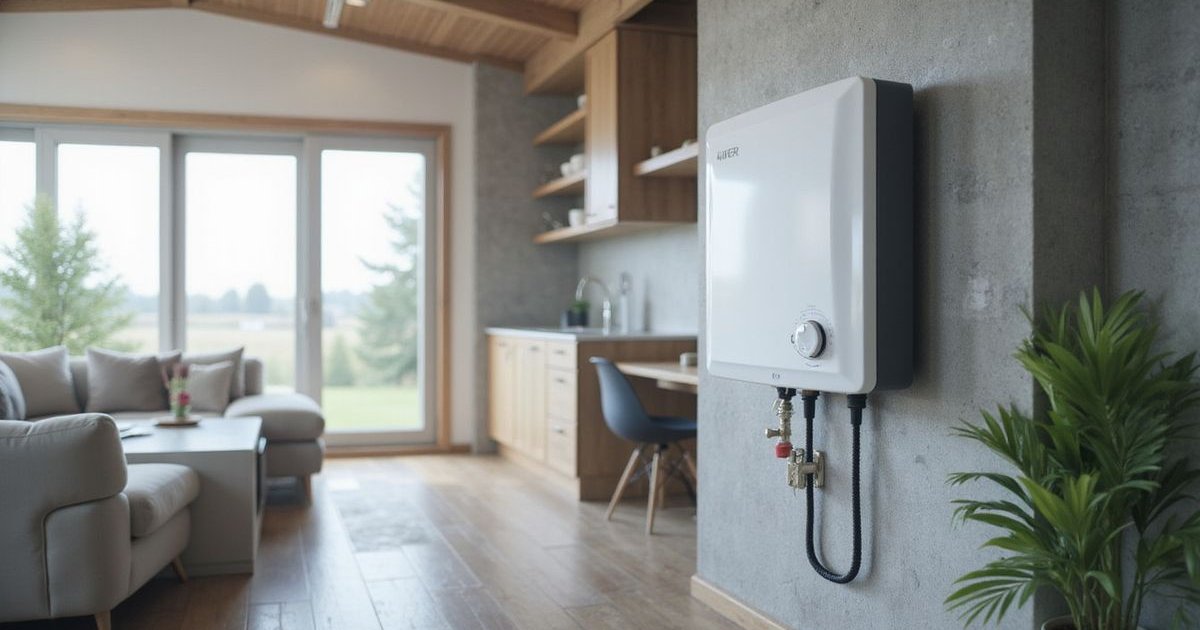
Electric hot water systems are the most common type in Australian homes. While they have higher running costs than heat pumps or gas, they offer simple installation, reliable operation, and lower upfront costs.
Electric Storage Systems
Traditional tank systems heat water using electric elements. A thermostat maintains the set temperature.
How They Work
- Cold water enters the tank
- One or two heating elements warm the water
- Hot water rises to the top of the tank
- Thermostat maintains temperature (usually 60°C for compliance)
- Hot water drawn from top when taps opened
Tank Sizes
Standard sizes for Perth households:
| Household Size | Recommended Tank |
|---|---|
| 1-2 people | 80-125L |
| 2-3 people | 125-160L |
| 3-4 people | 160-250L |
| 5+ people | 250-315L |
Off-peak users typically need larger tanks to store enough hot water through peak periods.
Electric Instantaneous Systems
Point-of-use units heat water on demand. Best for specific applications rather than whole-house supply.
Best for:
- Single-point applications (under-sink units)
- Remote fixtures far from main water heater
- Low-usage situations
Not recommended for whole-house supply due to high electrical demand and installation costs.
Running Costs: The Reality
Electric storage systems are typically the most expensive to run:
| System Type | Annual Running Cost (typical family) |
|---|---|
| Electric storage (peak) | $800-$1,200 |
| Electric storage (off-peak) | $500-$700 |
| Gas instantaneous | $300-$450 |
| Heat pump | $150-$250 |
This is why we often recommend heat pump upgrades when replacing old electric systems.
When Electric Makes Sense
Electric storage remains appropriate when:
- Budget constraints prevent heat pump purchase
- Upgrading to heat pump isn’t structurally feasible
- As a temporary solution
- In rental properties where tenant pays electricity
- Off-peak tariffs are available and tank can be sized accordingly
We provide honest advice about your options.
Off-Peak Tariffs
Synergy offers cheaper electricity rates during off-peak hours. Connecting your water heater to off-peak can reduce running costs by 30-40%.
Requirements:
- Separately metered circuit
- Tank large enough to provide hot water through peak hours
- Timer or controlled load arrangement
We can arrange off-peak connection during installation or as a standalone upgrade.
Maintenance and Lifespan
Electric systems need periodic maintenance:
Anode Replacement
The sacrificial anode protects the tank from corrosion. It should be checked every 3-5 years and replaced when depleted. This is the single most important maintenance task for extending tank life.
Element Replacement
Heating elements can fail, especially in hard water areas. Signs include:
- No hot water
- Slow heating
- Tripped circuit breaker
Element replacement is straightforward and far cheaper than tank replacement.
Temperature and Pressure Relief Valve
Should be tested annually to ensure it operates correctly. This valve is a critical safety device.
Upgrade Path to Heat Pump
When your electric system needs replacement, consider upgrading to a heat pump:
- Uses same basic plumbing connections
- Often fits in same location
- STCs rebate reduces price gap
- Running cost savings deliver payback in 4-6 years
- Lower emissions
We assess your situation and provide honest recommendations about whether upgrading makes sense for you.
Get a Free Quote
Call now or request a free, no-obligation assessment.
call 08 7666 2806 Or request online →Why Choose Us
Honest Assessment
We'll tell you if a heat pump would save you money in the long run.
Right-Sized Tanks
Properly sized systems ensure you don't run out of hot water.
Quality Brands
We install reliable brands like Rheem, Dux, Aquamax, and Vulcan.
Upgrade Path
We can often install a heat pump in the same location when you're ready.
Our Work
How It Works
Assessment
We evaluate your needs and discuss if electric is the right choice or if an upgrade would benefit you.
Sizing
Tank size matched to household needs. Undersized tanks run out; oversized waste energy.
Installation
Licensed plumbers install with correct valve, drainage, and electrical connections.
Commissioning
System testing, tariff setup, and operation guidance provided.
Frequently Asked Questions
Should I repair or replace my old electric system? expand_more
Can I put my electric system on off-peak power? expand_more
How long do electric systems last? expand_more
Should I upgrade to a heat pump instead? expand_more
Ready to Get Started?
Contact us today for a free assessment and honest advice about your hot water needs.