WA Tempering Valve Requirements Explained: 60°C Storage, 50°C Delivery
Understanding Western Australia's hot water temperature regulations. Why tempering valves are required and what homeowners need to know.
WA Tempering Valve Requirements Explained: 60°C Storage, 50°C Delivery
Western Australia has strict hot water rules that often confuse homeowners because they seem to contradict each other. You need high heat to kill bacteria, but that same heat is dangerous to touch.
We founded Hot Water System Perth in 2021 to help locals make sense of these regulations and keep their families safe through our compliance upgrade services. Our team sees this confusion daily: a system needs to be hot enough to sanitize but cool enough to prevent burns.
Balancing these two needs is not just about following the law; it is about protecting your household. Let’s break down the specific temperatures, the device that makes it possible, and the compliance checks you need to know about.
The Two Temperature Requirements
60°C Minimum Storage Temperature
Hot water must be stored at a minimum of 60°C to prevent the growth of Legionella pneumophila.
Why 60°C? Legionella bacteria thrive in warm water between 20°C and 45°C. Research shows that maintaining water at 60°C kills 90% of these bacteria within two minutes. Storing water below this threshold invites the risk of Legionnaires’ disease, which is a severe and potentially fatal form of pneumonia.
50°C Maximum Delivery Temperature
Water delivered to personal hygiene outlets—such as showers, baths, and bathroom basins—must not exceed 50°C.
Why 50°C? The difference in scald time between 60°C and 50°C is drastic. At 60°C, human skin can suffer a third-degree burn in just one second. Children and the elderly have thinner skin and are at even higher risk.
We use this chart to show customers why that 10-degree drop is critical:
| Temperature | Time to 3rd Degree Burn (Adult skin) |
|---|---|
| 60°C | 1 second |
| 55°C | 10 seconds |
| 50°C | 5 minutes |
Capping the temperature at 50°C gives you a five-minute safety margin to react if the water is too hot.
How Tempering Valves Work
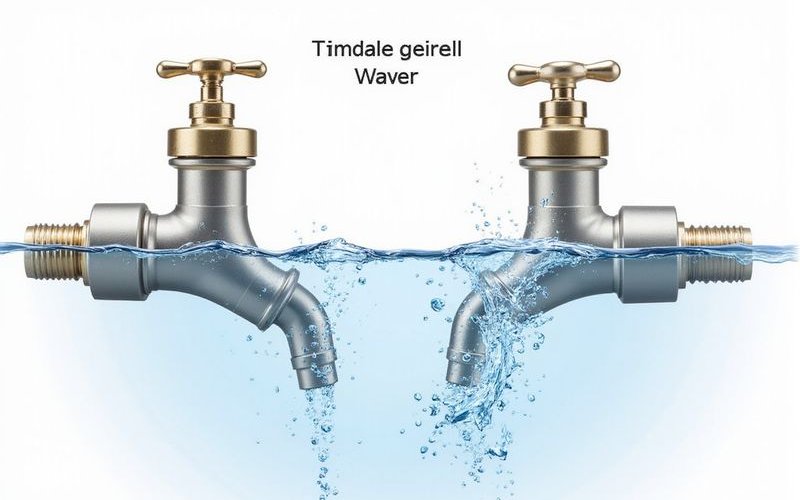
A tempering valve is the mandatory bridge between these two temperature requirements. It mixes cold water with the scorching water from your tank before it reaches your bathroom taps.
The Mixing Process
- Storage: Water leaves your tank at 60°C or higher.
- Mixing: The tempering valve automatically introduces cold water from the mains.
- Delivery: The water exits the valve at a safe 50°C.
- Regulation: The valve adjusts in real-time to maintain this temperature even if water pressure changes.
Identifying Your Valve (Insider Tip)
You can often tell what type of system you have by looking at the colored cap on the valve.
- Blue or Green Cap: Standard valve for electric or gas storage systems.
- Yellow or Orange Cap: High-performance valve designed for solar hot water or continuous flow systems.
Knowing this color can help you describe your system accurately when calling a plumber for quotes.
When Tempering Valves Are Required
Mandatory Situations under AS/NZS 3500.4
In Western Australia, strict regulations govern when these valves must be installed. You are legally required to have a functioning tempering valve for:
- All new hot water system installations.
- All replacement hot water systems (even if the old one didn’t have a valve).
- Relocated hot water systems.
- Properties used for early childhood centers, schools, and nursing homes (often requiring a lower 45°C limit).
Recommended Upgrades
Older homes built before the late 90s might still have direct-feed hot water. While you aren’t forced to retrofit a valve if you aren’t changing the heater, we strongly recommend it for:
- Households with young children.
- Homes with elderly residents.
- Renovations where bathroom layouts are changing.
Compliance for Different Property Types
Owner-Occupied Homes
If your system predates 1999 and is still running, you might be legally “compliant” without a valve, but you are not safe. Adding a valve is a straightforward upgrade that immediately reduces scald risk.
Rental Properties
Landlords face stricter scrutiny under the Residential Tenancies Act. Hot water is considered an essential service.
We advise all property managers that if a hot water system is replaced, a tempering valve is mandatory. Failure to install one during a replacement is a breach of plumbing standards and exposes the landlord to significant liability if a tenant is scalded.
Property Sales
Buyers are increasingly asking for a “Notice of Completion” or compliance certificate during the settlement process. This document proves that a licensed plumber installed the system according to current WA standards. Missing paperwork can delay your sale.
How to Check Compliance
The “Meat Thermometer” Test
You don’t need expensive equipment to get a rough idea of your water temperature.
- Run the hot tap in the bathroom closest to your heater for one minute.
- Fill a mug or glass with the hot water.
- Immediately place a standard kitchen meat thermometer into the water.
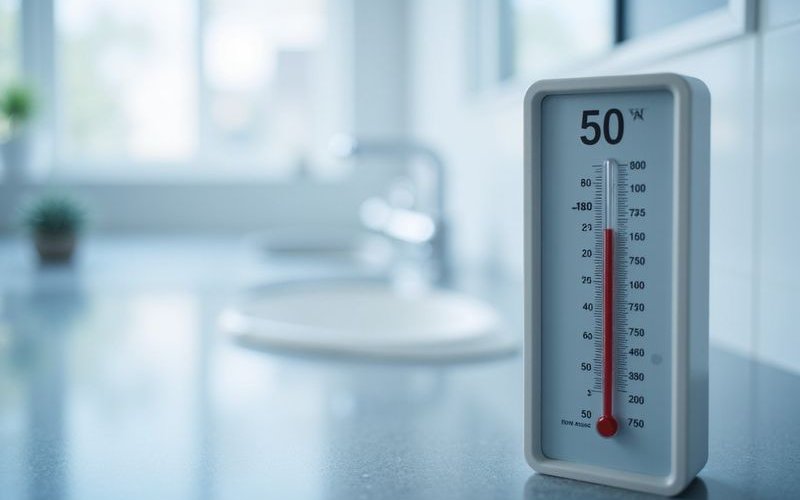
- The reading should be close to 50°C.
If your thermometer reads 55°C or higher, your valve may have failed or been tampered with.
Visual Inspection
Go to your water heater and look for the valve on the pipework. It is a T-shaped device with three pipes connected: hot in, cold in, and mixed out.
- Check for leaks: Look for white or green crusty buildup around the joints.
- Check the cap: Ensure the plastic adjustment cap is intact and not cracked.
Common Issues with Tempering Valves
Debris Blockage
WA water can be hard, and mineral deposits often clog the fine mesh filters inside the valve. This results in reduced water pressure or lukewarm water, even if the tank is hot.
”Cross-Connection” Failure
When a valve fails internally, it can allow cold water to push back into the hot water line. You might notice your hot water goes cold suddenly during a shower, or the toilet fills with warm water. This is a clear sign the non-return mechanism inside the valve is broken.
Lifespan Expectations
Tempering valves are not built to last as long as the tank itself. Most manufacturers, like RMC or Reliance, recommend replacement every 5 years. If your tank is 10 years old and the valve has never been changed, it is likely overdue.
Installation Considerations
Location Options
At the Water Heater: This is the standard approach for most Perth homes. One valve controls the temperature for the entire house. It is cost-effective but means your kitchen tap will also be limited to 50°C.
At the Bathroom (Zone Specific): You can install a valve specifically for the bathroom lines. This allows you to keep untreated 60°C water for the kitchen sink and laundry, which is better for cutting grease and washing clothes.
Professional Installation Only
This is not a DIY job. Licensed plumbers must:
- Flush the lines to remove debris before installation.
- Set the temperature using a calibrated thermometer.
- Submit a Notice of Completion to the Plumbers Licensing Board.
Cost of Compliance (2026 Estimates)
Tempering Valve Pricing
Prices have risen slightly over the last few years. For a standard Perth home, you can expect:
- Valve Only (Supply): $80 - $140 depending on the brand (e.g., Reliance, Wilkins).
- Full Installation: $350 - $550. This includes the valve, labor, and necessary pipe alterations.
Return on Investment
The cost is minimal compared to the medical expenses and trauma of a severe scald injury. For landlords, the $400 investment protects you from potential lawsuits that could cost tens of thousands.
Getting Your System Assessed
Unsure if your water is safe? We provide comprehensive assessments that go beyond just checking the temperature.
Our technicians inspect:
- The condition and date of your existing tempering valve.
- Tank storage temperature to ensure Legionella protection.
- Pressure relief valves and potential cross-connection issues.
- Overall compliance with current AS/NZS 3500.4 standards.
Contact us for a compliance assessment of your Perth home’s hot water system today.
Hot Water System Perth Team
Local hot water experts serving Perth since 2021. Licensed plumbers specialising in heat pump and solar hot water systems.