Solar Hot Water Roof Requirements: Is Your Perth Home Suitable?
What roof conditions are needed for solar hot water? Orientation, pitch, shading, and structural requirements for Perth installations.
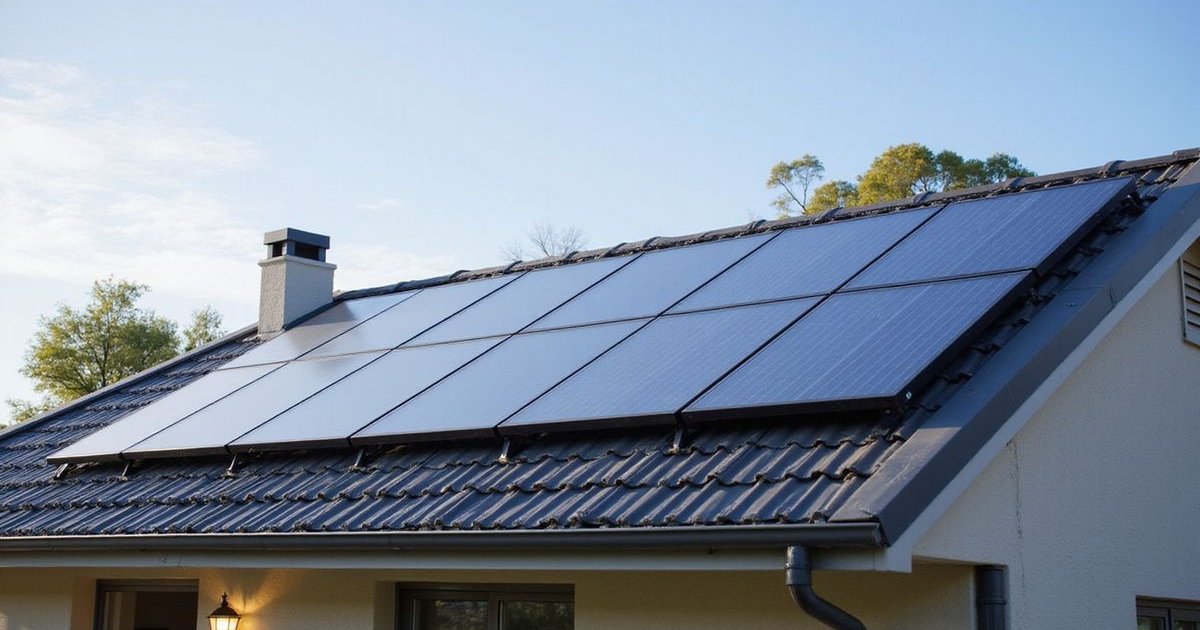
Solar hot water can significantly reduce energy costs, but performance depends heavily on your roof’s suitability. This guide explains what makes a roof ideal for solar hot water in Perth conditions.
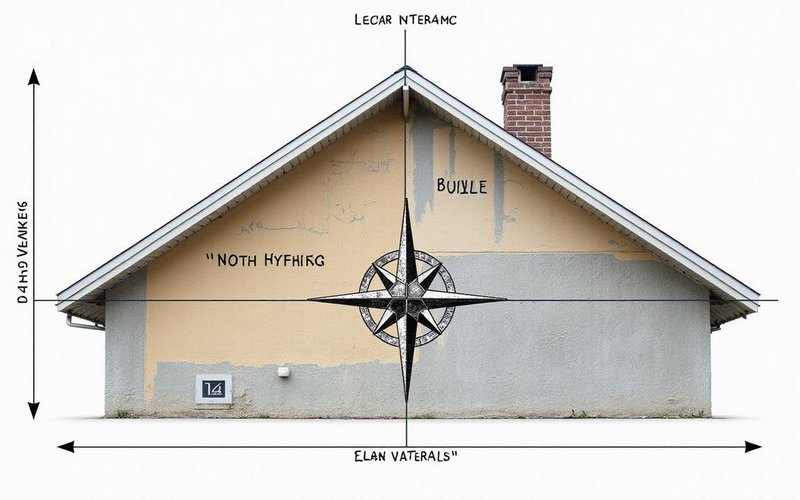
Roof Orientation
The direction your roof faces dramatically affects solar collection.
Ideal: North-Facing
In the Southern Hemisphere, north-facing roofs receive maximum sun exposure throughout the year. This is the ideal orientation for solar collectors.
Acceptable: East or West-Facing
East-facing roofs catch morning sun, west-facing catch afternoon sun. Both work but with reduced efficiency (typically 15-25% less than north).
Problematic: South-Facing
South-facing roofs receive significantly less direct sunlight. Solar hot water is generally not recommended for south-facing installations in Perth.
Roof Pitch (Angle)
The angle of your roof affects how directly sunlight hits the collectors.
Ideal Range: 20-35 Degrees
For Perth’s latitude (approximately 32°S), roof pitches between 20-35 degrees are optimal. This angle captures maximum solar energy across the year.
Flat Roofs
Flat roofs can work with angled mounting frames, though this adds cost and visual impact.
Steep Roofs
Very steep roofs (45°+) may reduce summer collection efficiency, though winter performance can improve.
Shading Analysis
Shading is often the critical factor that determines suitability.
Common Shading Sources
- Trees (including neighbour’s trees)
- Chimneys and vents
- Neighbouring buildings
- TV antennas
- Other roof sections
Shading Impact
Even partial shading significantly reduces output. A collector that’s shaded for just 2 hours during peak sun can lose 30-40% of its daily collection.
Seasonal Considerations
Shading patterns change with seasons. Winter sun is lower, creating longer shadows. A site that’s unshaded in summer may have significant winter shading.
Structural Requirements
Weight Capacity
Solar collectors and mounting systems add weight:
- Flat plate collectors: 35-45 kg per panel
- Evacuated tubes: 30-40 kg per panel
- Plus mounting hardware
Most Perth roofs handle this, but older or lightweight structures may need assessment.
Roof Condition
The roof should be in good condition:
- No significant rust (metal roofs)
- Sound tiles (tile roofs)
- No leaks or damage
- Several years of life remaining
Installing on a roof that needs replacement soon means disturbing collectors later.
Access for Installation and Maintenance
Installers need safe access to:
- Roof area for collectors
- Ceiling space for plumbing connections
- Area below for tank location (if ground-mounted)
Perth-Specific Considerations
Sun Exposure
Perth enjoys excellent solar radiation—among the best in Australia. Even slightly sub-optimal roof conditions can still work well here compared to other cities.
Weather Patterns
Perth’s dry climate means fewer cloudy days than eastern states, improving annual solar collection.
Roof Materials
Common Perth roof types all work:
- Metal (Colorbond): Easy to mount
- Tiles: Requires bracket system
- Flat concrete: Needs angled frames
Assessment Process
During a solar assessment, we evaluate:
- Orientation - Compass direction of potential collector location
- Pitch - Roof angle measurement
- Shading - Current and seasonal shadow analysis
- Structure - Roof condition and load capacity
- Access - Installation and maintenance feasibility
We provide honest feedback. If your roof isn’t suitable, we’ll recommend alternatives like heat pumps rather than proceeding with a compromised installation.
When Solar Isn’t Suitable
We may recommend against solar hot water when:
- Significant shading cannot be avoided
- South-facing is the only option
- Roof condition requires replacement first
- Structural concerns exist
In these cases, heat pumps offer similar energy savings without roof requirements.
Getting a Roof Assessment
Unsure about your roof’s suitability? We provide free assessments that include roof evaluation for solar potential. If solar isn’t right for your situation, we’ll discuss alternatives that achieve your energy efficiency goals.
Contact us to book a no-obligation roof and hot water assessment.
[REWRITTEN CONTENT]
If you live in Perth, you already know we have some of the best solar potential in the world. High electricity prices and our famous 300+ days of sunshine make switching to solar hot water seem like a no-brainer.
But here is the catch most people miss. We often visit homes where the roof structure or shading simply cannot support the system the homeowner wants. You don’t want to find that out after you’ve paid a deposit.
This guide will break down exactly what we look for during a site inspection for solar hot water systems. We will explain the specific numbers that matter for Perth homes and what you should check before calling for a quote.
Roof Orientation: Which Way Does It Face?
The direction your roof faces is the single biggest factor in how much free hot water you will generate.
The Gold Standard: True North
In the Southern Hemisphere, a north-facing roof is the undisputed champion for solar efficiency.
We typically see systems installed on a true north aspect achieve 100% of their rated potential. This orientation captures the sun’s path perfectly from sunrise to sunset.
The “Good Enough” Options: West and East
You don’t need a perfect north roof to get great results.
West-facing roofs are our second choice, typically retaining about 85% efficiency compared to north. This orientation is particularly good if your family uses a lot of hot water in the afternoon or evening.
East-facing roofs are also viable, generally sitting at around 80% efficiency. They are excellent for households with heavy morning water usage.
Pro-Tip: If you have a hip-roof design, we often split the collectors. Placing one panel on the east and one on the west creates a balanced system that generates heat steadily all day long.
The Problem Area: South
South-facing roofs look away from the sun for most of the day.
We generally advise against installing solar thermal collectors on a south-facing roof in Perth. You will likely lose over 40% of the system’s potential output. In this scenario, a heat pump is almost always a better financial investment.
Roof Pitch (Angle)
The tilt of your roof determines how directly the sun’s rays hit the glass collectors.
The Sweet Spot: 20° to 35°
Perth sits at a latitude of approximately 32°S. Ideally, your solar collectors should be tilted at an angle close to this latitude to maximise year-round performance.
Most standard residential roofs in Perth are pitched between 20° and 25°. This is well within the high-performance window.
Flat Roof Solutions
If you have a flat roof or a very low pitch (under 10°), you can still install solar hot water.
We use specialised “pitching frames” or tilt kits to elevate the collectors to the correct angle. Be aware that these frames must be rated for Region A wind loads (43 m/s) to handle Perth’s strong afternoon sea breezes.
Steering Clear of Steep Pitches
Roofs steeper than 45° can be tricky. While they capture low winter sun effectively, they can underperform in summer and often require specialised safety equipment for installation, which increases your labour costs.
Shading Analysis: The Hidden Efficiency Killer
Shading is the most common reason we have to turn down a solar hot water installation.
What to Watch For
Solar thermal collectors are more sensitive to shading than solar power (PV) panels. If you shade just the bottom 20% of a hot water collector, you can stop the natural thermosiphon effect almost entirely.
Common culprits in Perth suburbs include:
- Mature Street Trees: Look out for tall Norfolk Pines or fast-growing Jacarandas that might cast long shadows.
- Chimneys and Flues: Even a thin shadow from a flue can disrupt a collector tube.
- Two-Story Neighbours: A new build next door can block your winter sun completely.
The Winter Sun Trap
The sun is much lower in the sky during June and July.
We use a solar pathfinder tool to check this, but you can do a basic check yourself. Stand where you want the panels to go. If there is an obstruction to the north at a 30-degree angle or higher, you will likely have significant winter shading issues.
Structural Requirements: Handling the Load
People often forget just how heavy water is.
The Weight Factor
A typical 300L roof-mounted solar hot water system can weigh heavily on your structure.
- Vitreous Enamel Systems: These traditional steel tanks can weigh over 560kg when full.
- Stainless Steel Systems: Modern stainless tanks are lighter but still exceed 450kg when filled.
Most standard timber or steel-framed roofs in Perth are built to handle this load, provided the weight is distributed across multiple rafters.
The “Older Home” Check
If your home was built before 1980, or if you have a stick-frame timber roof, we need to inspect the rafters carefully.
We look for signs of sagging, termite damage, or modifications that might have weakened the structure. In some cases, we may need to install additional bracing or “strutting beams” to support the tank safely.
Access is Key
Installers need a safe way to get that heavy equipment onto your roof.
- Clear access for a lifting device or crane is often required for roof-mounted tanks.
- We also need clear access to the ceiling space to run copper pipes down to your taps.
Perth-Specific “Insider” Considerations
There are two local factors that standard national guides often miss.
1. Water Quality and Tank Choice
Perth’s water quality varies significantly by suburb.
- “Hard” Water Areas: Suburbs with high mineral content or those relying on bore water can destroy a standard vitreous enamel tank in 5-7 years if the anode isn’t replaced regularly.
- The Recommendation: If you live in a hard water zone (like many coastal suburbs), we strongly recommend a stainless steel tank (like those from iStore or Edwards). They don’t require a sacrificial anode and handle our water chemistry much better.
2. The Coastal Corrosion Factor
If you live within 1km of the ocean, salt spray is a real threat.
You should ensure your system is “marine grade.” This usually means stainless steel casing for the tank and specific mounting rails that won’t rust out in five years.
How We Assess Your Home
When we come out for a site visit, we don’t just look at the roof.
We follow a strict checklist to ensure the system will last:
- Compass Check: We confirm the exact orientation to calculate expected efficiency losses.
- Structural Scan: We check rafter spacing and condition inside the roof cavity.
- Shadow Mapping: We project where shadows will fall in mid-winter, not just today.
- Hydraulic Check: We measure your water pressure to see if you need a pressure reduction valve.
This process allows us to give you a fixed price, not an estimate.
What If My Roof Isn’t Suitable?
Sometimes, the roof just doesn’t work.
If you have heavy shading, a south-facing roof, or structural issues, we will be honest about it. In 2026, you have a fantastic alternative: Heat Pumps.
Modern heat pumps (like the Reclaim or iStore models) sit on the ground like a standard hot water unit. They don’t need roof panels, they work day and night, and they offer similar energy savings to solar.
| Feature | Roof-Mounted Solar | Heat Pump |
|---|---|---|
| Roof Space Needed | Yes (approx 4m²) | No |
| Weight on Roof | 450kg - 600kg | None |
| Shade Sensitive | Yes (High) | No |
| Energy Savings | High (Free from sun) | High (Efficient technology) |
Ready to Check Your Roof?
You don’t have to guess if your home is ready for solar.
We offer detailed assessments that give you the facts without the sales pitch. Whether it is a traditional roof-mounted system or a modern ground-mounted alternative, we will help you find the setup that lowers your bills the most.
Contact us today to book your roof and hot water assessment.
Hot Water System Perth Team
Local hot water experts serving Perth since 2021. Licensed plumbers specialising in heat pump and solar hot water systems.