How Solar Hot Water Works on Cloudy Days: Boosting Systems Explained
Understanding electric and gas boosting for solar hot water systems. How your system maintains hot water when the sun isn't shining.
One of the most common concerns we hear from homeowners is a simple one.
“What actually happens when the sun stops shining?”
It is a fair question.
You invest in solar technology to harness the sun, so a week of grey winter skies in Perth naturally raises doubts about your morning shower temperature.
The good news is that modern systems are designed with this exact scenario in mind.
At Hot Water System Perth, we have seen since 2021 that the most efficient setups are not just about collecting solar energy.
They are about how smart your backup system is when the clouds roll in.
We call this “boosting.”
Understanding how it works is the key to keeping your bills low without sacrificing comfort.
How Solar Hot Water Collection Actually Works
Solar hot water systems operate like a battery for heat.
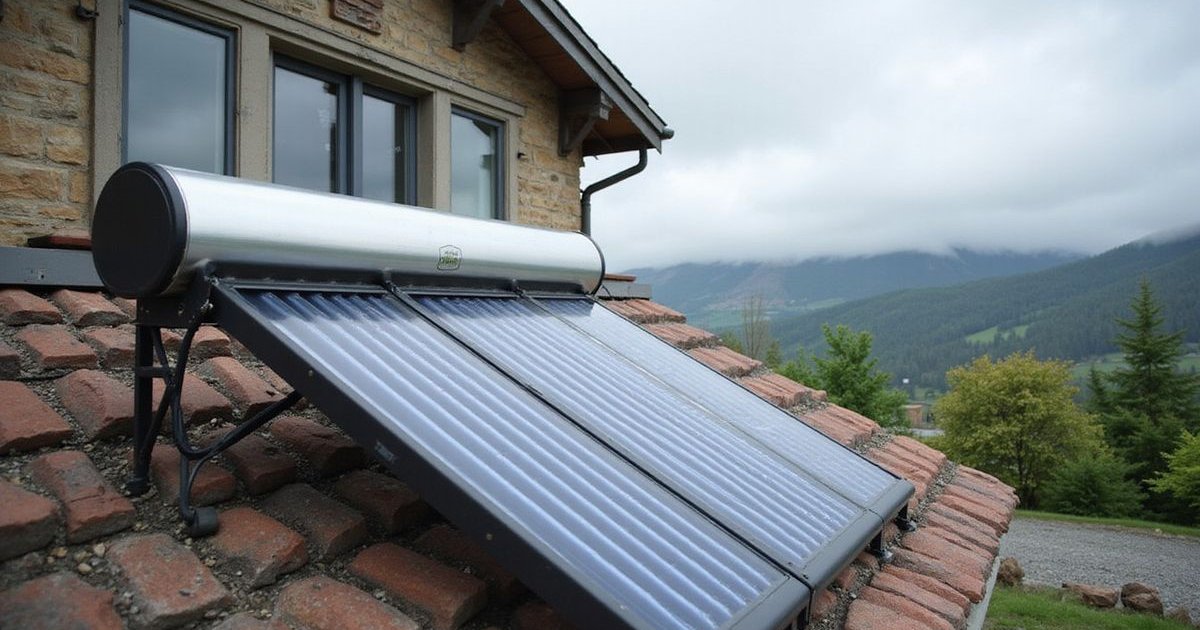
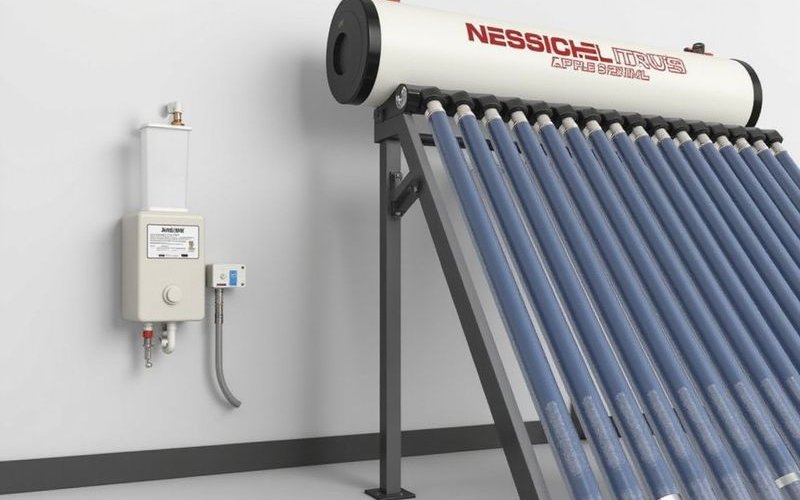
Rooftop collectors absorb UV radiation and transfer that thermal energy into the water stored in your tank.
In our region, this process is incredibly efficient.
Perth averages roughly 3,200 hours of sunshine per year.
This allows a standard system to generate 60% to 90% of a household’s hot water needs strictly from the sun.
However, the output fluctuates based on the weather conditions:
- Summer Days: Systems often reach 100% capacity by early afternoon.
- Partly Cloudy Days: Diffused UV light can still provide 50% to 70% of the required energy.
- Heavy Overcast/Rain: Production might drop to 20% or 40%.
This fluctuation is where the boosting system takes over.
It acts as a safety net to bridge the gap between what the sun provides and what your household demands.
The Critical Role of Boosting (and the 60°C Rule)
Boosting is not just for comfort.
It is also a matter of health and safety compliance.
Australian Standard AS 3500.4 requires that hot water stored in a tank must be kept at a minimum of 60°C to prevent the growth of Legionella bacteria.
Even if the water feels warm enough for a shower at 45°C, your system must periodically hit that higher temperature to sanitize the tank.
Your booster ensures this happens regardless of the weather outside.
Electric Boosting Explained
The most common backup method we encounter in WA homes is the electric booster.
This setup functions much like a giant kettle.
An electric element is inserted directly into the storage tank, usually at the mid-point or bottom.
The Process:
- A thermostat constantly monitors the internal tank temperature.
- The temperature drops below the set threshold (typically 60°C) due to cloud cover or high usage.
- The element activates and heats the water until it hits the target.
- The system switches off automatically to save power.
Why Homeowners Choose It:
- Simplicity: There are fewer moving parts to maintain.
- Installation Cost: It is generally cheaper to install than gas alternatives.
- Solar PV Synergy: If you have solar power panels on your roof, you can use your own generated electricity to power the booster.
The Trade-off: Electricity can be expensive if not managed correctly.
An electric booster left on a “continuous” cycle during peak tariff times will drive up your bills significantly.
Gas Boosting Explained
Gas boosting offers a different approach and comes in two distinct forms.
1. In-Tank Gas Boosting
This works similarly to the electric version but uses a gas burner beneath the tank to heat the water.
It keeps the entire volume of water hot, ensuring a large reserve is always ready.
2. Instantaneous (Continuous Flow) Gas Boosting
This is often the more efficient choice for modern homes.
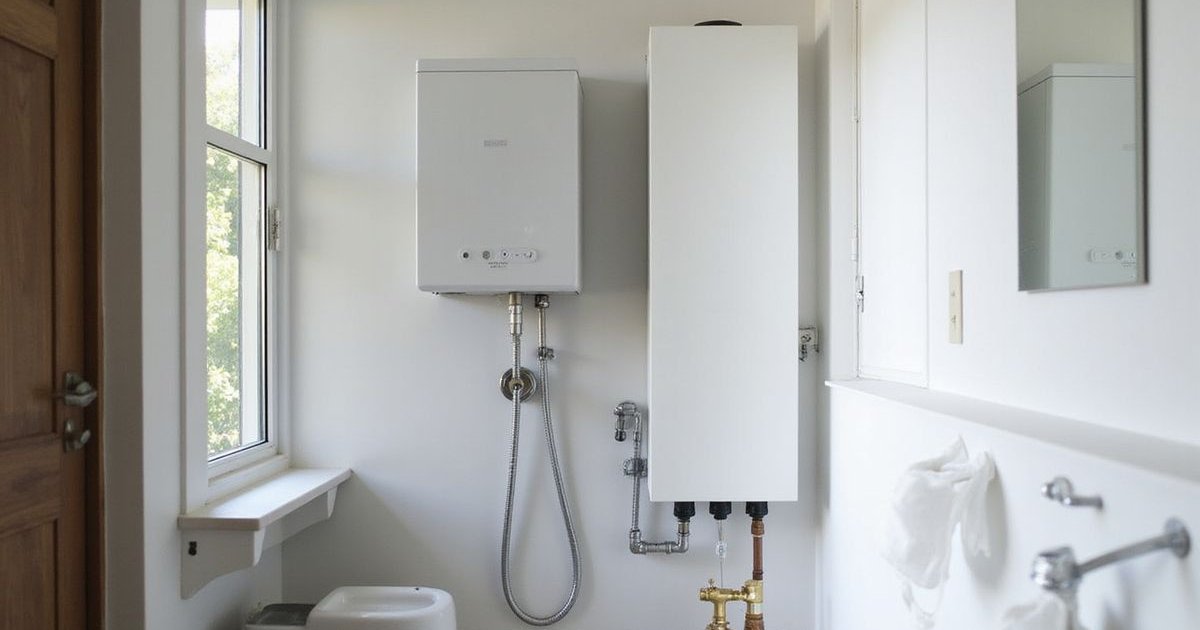
The solar tank feeds water into a separate, small gas unit mounted on the wall.
How it differs:
- The water in the tank can be cool (e.g., 40°C).
- As water flows out of the tank toward your shower, it passes through the gas unit.
- Sensors detect the temperature and the gas burner ignites only enough to lift the water to 60°C.
- If the water from the solar tank is already hot enough, the gas unit stays off completely.
Why Homeowners Choose It:
- Efficiency: You never heat water you do not use.
- Capacity: You essentially never run out of hot water, even after five consecutive showers.
- Cost Control: Gas rates can sometimes be more competitive than peak electricity rates.
Comparing Your Options: Electric vs. Gas
Making the right choice depends on your existing connections and usage habits.
Use this comparison to see where your home fits.
| Feature | Electric Booster | Instantaneous Gas Booster |
|---|---|---|
| Speed | Slow recovery (heats the whole tank) | Instant (heats on demand) |
| Running Cost | Low (if using solar PV/off-peak) | Moderate (depends on gas prices) |
| Installation | Lower upfront cost | Higher upfront cost |
| Reliability | Good, but can run out during heavy use | Excellent, unlimited supply |
| Maintenance | Low (element replacement every 5-10 years) | Moderate (requires gas servicing) |
Perth’s Climate Advantage
We represent a region with a distinct advantage over the rest of the country.
Perth has more clear days annually than any other major Australian capital.
This allows local homeowners to rely on the booster significantly less than someone in Melbourne or Sydney.
Typical Boosting Schedule in WA:
- December to March: Almost zero boosting required.
- April to May: Occasional boosting on overcast days.
- June to August: Regular boosting needed to top up temperatures.
- September to November: Minimal boosting returns.
How to Manage Your Booster for Maximum Savings
Many people mistakenly leave their electric booster switch on 24/7.
This means the element fights the sun.
As soon as you use hot water in the morning, the electric element kicks in to reheat the tank before the sun has a chance to do its job for free.
Here is how we recommend managing it.
Utilize Timer Controls
Installing a simple timer on your switchboard is the most effective upgrade you can make.
Set the booster to run only in the late afternoon (e.g., 3:00 PM to 5:00 PM).
Why this works:
- It gives the sun all day to heat the water first.
- The booster only activates if the sun failed to reach 60°C by late afternoon.
- You ensure a full tank of hot water for evening showers.
Leverage the “Solar Sponge”
If you are on a Time-of-Use tariff (like Synergy’s Midday Saver), electricity is cheapest between 9:00 AM and 3:00 PM.
Programming your booster to run during this window—only if you have exhausted the hot water—can slash running costs.
Troubleshooting: Is Your Booster Working Too Hard?
A well-functioning solar system should not result in massive winter energy bills.
If you suspect your system is inefficient, look for these red flags.
1. The “Cold Afternoon” Syndrome
You have had a full day of sun, but the water is tepid by 4:00 PM.
This usually indicates the solar collectors are not circulating fluid correctly, forcing you to rely 100% on the booster.
2. Sky-High Bills in Summer
Your energy costs should plummet in January and February.
If they remain high, your booster might be stuck in the “on” position or the thermostat has failed.
3. Water Leaks on the Roof
Pressure relief valves can fail, dumping hot water onto your roof.
This forces the system to constantly heat new, cold water entering the tank.
Optimizing Your System for Longevity
Getting the most out of your investment requires a few simple habits.
Keep panels clear: Perth is dusty.
While rain usually cleans the panels, a quick visual check for bird droppings or heavy dust buildup in late spring ensures maximum summer efficiency.
Check for new shade: Trees grow fast.
A sapling planted five years ago might now be casting a shadow over your collectors during the critical window of 10:00 AM to 2:00 PM.
Schedule a 5-year service: Sacrificial anodes in the tank protect it from rust.
Replacing these every five years is far cheaper than replacing a burst tank.
When to Upgrade or Repair
Sometimes, no amount of boosting can fix an aging system.
If your unit is over 12 years old and requires the booster daily even in summer, the internal insulation or collector efficiency has likely degraded.
We can assess whether a repair is viable or if modern heat pump technology might offer a better return on investment.
Summary
Solar hot water works on cloudy days because it is designed as a hybrid system.
The sun does the heavy lifting, and the boosting system acts as the reliable safety net.
By understanding how your specific booster works and managing its timing, you can enjoy the financial benefits of solar without ever fearing a cold shower.
If you are unsure if your booster is set up correctly or need a performance check, we are here to help you get the balance right.
Hot Water System Perth Team
Local hot water experts serving Perth since 2021. Licensed plumbers specialising in heat pump and solar hot water systems.