Legionella Prevention: Why Your Hot Water Must Be Stored at 60°C
Understanding the health risks of incorrectly stored hot water. How proper temperature settings prevent Legionella bacteria growth.
You might think dialing down your hot water tank is a smart way to lower your electricity bill.
It sounds logical enough. Lower temperature equals less energy used.
But that seemingly thrifty decision can trigger a serious biological hazard right inside your home plumbing.
There is a specific reason Australian regulations mandate a minimum storage temperature of 60°C. It has nothing to do with how hot you like your shower and everything to do with a microscopic survivor called Legionella.
We see this issue frequently across Perth. Homeowners adjust their thermostats with good intentions, only to unknowingly create the perfect breeding ground for bacteria.
In this guide, we will break down the science behind the 60°C rule, the specific regulations you need to know, and the practical steps to keep your household safe.
What Is Legionella?
Legionella pneumophila is a bacterium found naturally in freshwater environments like lakes and streams.
It becomes a problem for humans when it invades building water systems. If conditions allow it to multiply, it can contaminate the tiny water droplets (aerosols) created by your shower, spa, or even a garden hose spray.
In Western Australia, we see about 12 diagnosed cases of Legionella pneumophila infection annually. While this number might seem low, the consequences are severe enough that prevention is non-negotiable.
The Health Risks
When you inhale those contaminated droplets, the bacteria can settle in your lungs and cause two primary illnesses.
Legionnaires’ disease:
- What it is: A severe, potentially fatal form of pneumonia (lung infection).
- Symptoms: High fever, cough, shortness of breath, and muscle aches.
- Treatment: Requires immediate hospitalisation and aggressive antibiotic courses.
Pontiac fever:
- What it is: A milder, flu-like infection.
- Symptoms: Fever and muscle aches that typically last 2-5 days.
- Treatment: Usually resolves on its own, but it indicates a system contamination that could lead to the more serious disease.
Who Is Most Vulnerable?
Anyone can get sick, but the risk profile increases significantly for certain groups:
- People over 50 years of age.
- Current or former smokers.
- Individuals with chronic lung conditions.
- Those with weakened immune systems (including people taking immunosuppressive drugs).
The Science of Survival: Why Temperature Matters
Bacteria are incredibly resilient, but they have a distinct weakness: heat.
Understanding the “Kill Time” is the key to prevention. This refers to how long the water must remain at a certain temperature to effectively destroy the bacteria.
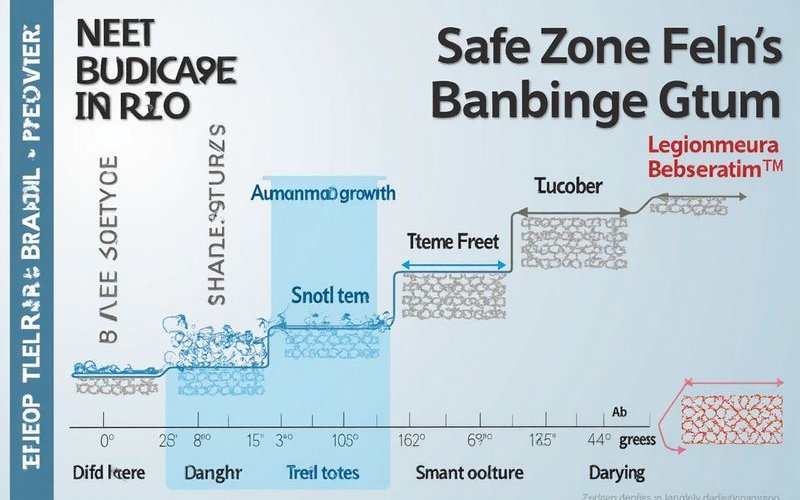
The Kill Time Comparison
The difference between 50°C and 60°C is massive in terms of bacterial survival.
| Temperature | Effect on Legionella Bacteria | Time to Disinfection (90% Kill) |
|---|---|---|
| Below 20°C | Bacteria are dormant but survive. | N/A (They are waiting) |
| 20°C - 45°C | The Danger Zone. Bacteria multiply rapidly. | N/A (Optimal growth at ~37°C) |
| 50°C | Growth stops, but death is slow. | 80-124 minutes |
| 60°C | Rapid destruction begins. | ~2 minutes |
| 70°C+ | Instant pasteurisation. | Instant |
You can see the problem immediately.
If your tank is sitting at 50°C, the water must sit undisturbed for over two hours to achieve the same level of safety that 60°C achieves in just two minutes. In a busy household using water frequently, that two-hour window rarely happens.
Other Growth Factors
Temperature is the main control method, but other conditions fuel bacterial growth:
- Stagnant water: Water sitting in “dead legs” (unused pipes) loses its heat and chlorine protection.
- Biofilm: A slimy layer that forms on the inside of pipes, protecting bacteria from heat and chemicals.
- Sediment: Sludge at the bottom of older tanks provides a nutrient-rich home for colonies.
- Scale: Rough surfaces inside the tank give bacteria a place to hide.
The 60°C Rule and Australian Law
The requirement for hot water storage is not a suggestion. It is a strict standard ingrained in Australian plumbing codes.
AS/NZS 3500.4:2025 is the current standard governing heated water services. Along with the Plumbing Code of Australia (PCA), it sets out two critical, distinct temperature requirements that often confuse homeowners.
Requirement 1: Storage at 60°C
Your hot water system must store water at a minimum of 60°C. This is the pasteurisation step aimed at killing bacteria inside the tank.
Requirement 2: Delivery at 50°C
Water coming out of your bathroom taps must not exceed 50°C. This is the anti-scald step aimed at preventing burns.
The Role of Tempering Valves
To satisfy both rules, modern homes use a tempering valve (often a yellow-capped valve near your tank).
- The tank heats water to 60°C+ to kill bacteria.
- The valve mixes this hot water with cold water as it leaves the tank.
- Safe, 50°C water is delivered to your shower.
Insider Tip: If you have an older system without a tempering valve, your kitchen tap might deliver untreated 60°C water. Be extremely careful, but understand that this high temperature is actually a sign your tank is doing its job regarding bacteria.
Common Mistakes That Increase Risk
We often see well-meaning homeowners accidentally increase their Legionella risk through simple errors.
Mistake 1: The “Energy Saver” Setting
It is tempting to lower your thermostat to 50°C to save a few dollars.
Why it’s dangerous: You drop the tank temperature right into the survival zone. The few dollars you save on electricity are not worth the risk of incubating a lung infection.
The better solution: Keep the tank at 60°C. Save energy by installing a heat pump system, improving insulation on your pipes, or shortening your showers.
Mistake 2: Turning the System Off for Holidays
Many people flip the switch on their hot water unit before a two-week trip.
Why it’s dangerous: The water in the tank slowly cools down, passing through the 45°C-20°C danger zone and sitting there for days. Bacteria can multiply unchecked in this tepid, stagnant environment.
The better solution: Leave the system on. The cost to maintain temperature is lower than the cost of reheating a cold tank. If you must turn it off for an extended period (months), you need a specific recommissioning protocol upon return.
Mistake 3: Ignoring the “Legionella Cycle” on Heat Pumps
Heat pumps are excellent for efficiency, but some older or basic models struggle to reach high temperatures quickly.
The solution: Most modern heat pumps (like those from Rheem or iStore) have an automatic “Legionella Cycle.” The unit will boost the temperature to over 60°C once a week (usually using an electric backup element) to sterilise the tank. Ensure this feature is never disabled.
Practical Steps to Protect Your Household
You do not need to be a plumber to maintain a safe environment. Follow these actionable steps.
1. The Holiday Flush Protocol
If you have been away for more than a week, do not jump straight into the shower.
- Heat it up: Ensure your system has been running at its normal temperature (60°C+) for at least an hour.
- Flush the line: Go to the tap furthest from the heater.
- Run it: Turn on the hot tap and let it run for at least 2-3 minutes.
- Clear the air: Minimize spray or leave the room while it runs to avoid inhaling aerosols if bacteria are present.
2. Manage Unused Bathrooms
Guest bathrooms or outdoor showers that rarely get used are prime spots for “dead legs” where water stagnates.
Weekly Action: Run the shower and taps in these unused areas for 60 seconds once a week. This brings fresh, chlorinated, hot water into the pipes and flushes out stagnant water.
3. Check Your Thermostat
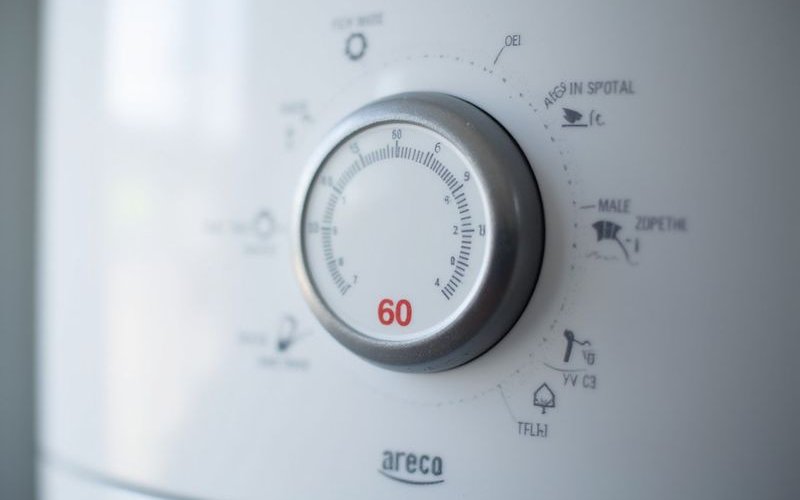
If you have an electric storage tank, look at the thermostat setting (usually under a cover plate—requires safety caution). It should be set to at least 60°C.
Note: If you are unsure or uncomfortable checking high-voltage appliances, ask your plumber to verify the setting during your next service.
When to Call a Professional
If you suspect your system is not performing correctly, we can help.
Signs you need a professional assessment include:
- Fluctuating temperatures: The water never seems truly hot.
- Discoloured water: Brown or rusty water suggests sediment buildup or a corroding tank.
- System Age: If your tank is over 10 years old and has never been serviced, the sediment layer at the bottom is likely significant.
Our team can perform a comprehensive check:
- Verify the thermostat is calibrated accurately to 60°C.
- Test the function of your tempering valve (ensuring 50°C delivery).
- Flush the tank to remove sediment and bacteria-harbouring sludge.
- Inspect the anode rod to extend the life of your tank.
Key Takeaways
- 60°C is the safety line: Storage temps below this allow bacteria to survive for hours.
- Tempering is essential: Use valves to deliver 50°C water to taps to prevent scalding while keeping the tank hot.
- Movement is medicine: Stagnant water is dangerous. Flush unused taps weekly.
- Don’t trade safety for savings: Never lower your thermostat into the danger zone to save on energy bills.
Your hot water system works hard behind the scenes. A few simple checks and the correct temperature setting ensure it keeps you clean without compromising your health.
Hot Water System Perth Team
Local hot water experts serving Perth since 2021. Licensed plumbers specialising in heat pump and solar hot water systems.