Why Anode Replacement Extends Your Hot Water Tank's Life
Understanding sacrificial anodes in storage hot water systems. How they work, when to replace them, and why it matters for tank longevity.
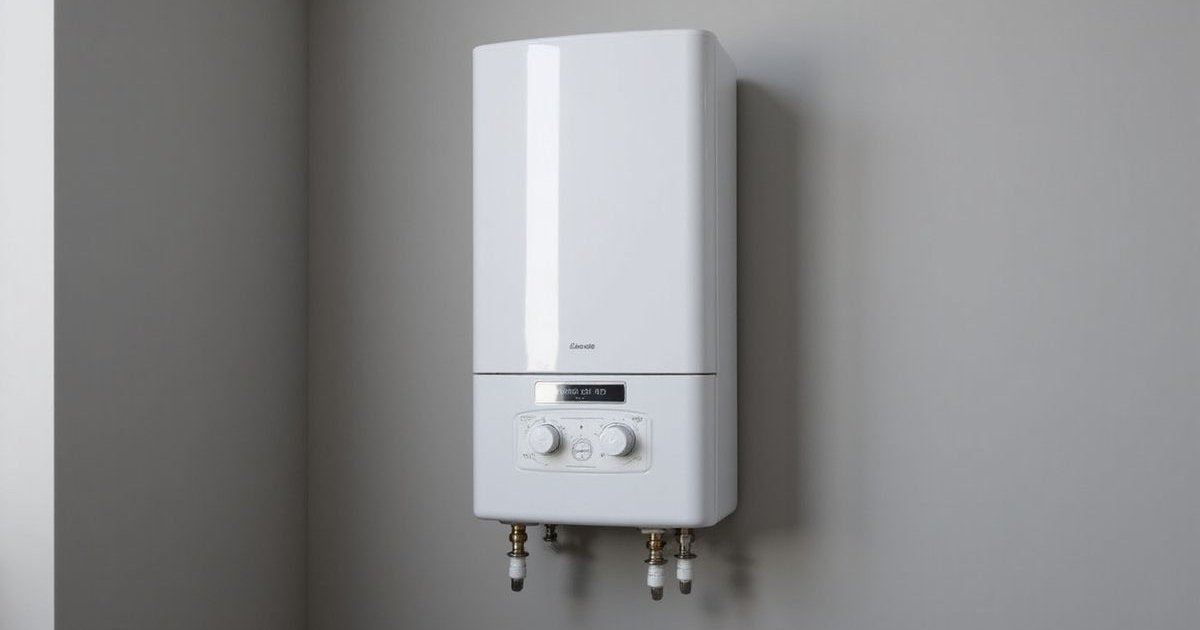
Inside your storage hot water tank is a component you have probably never seen.
It plays a massive role in how long your system lasts.
We are talking about the sacrificial anode.
Most homeowners only learn about this metal rod after their tank springs a leak.
Understanding how it works and when to replace it helps you avoid premature failure.
Since founding Hot Water System Perth in 2021, we have seen hundreds of tanks fail years too early simply because this one part was ignored.
Let’s look at the specific function of the anode and the replacement schedule required to keep your water heater running.
What is a Sacrificial Anode?
A sacrificial anode is a metal rod suspended deep inside your hot water storage tank.
Manufacturers design it to rust so your tank does not have to.
This component is typically made from one of three specific metals:
- Magnesium: This is the standard issue for most Rheem, Vulcan, and Dux tanks installed in Australia. It offers the highest protection level for standard water conditions.
- Aluminium: You will often see these in areas with high pH or hard water. They corrode more slowly than magnesium.
- Zinc (or Aluminium/Zinc alloy): These are frequently used to combat bacterial growth that causes foul odours.
The core concept is simple physics.
The anode attracts the corrosive elements in the water.
This diversion keeps the steel shell of your expensive tank intact.
How Anodes Work
The Science of Corrosion
Corrosion is an electrochemical process.
When two different metals are submerged in water, an electrical current flows between them.
The more “active” metal on the galvanic scale gives up electrons and corrodes.
Here is the reaction happening inside your tank:
- Your tank is built from steel and lined with vitreous enamel (glass).
- Microscopic cracks eventually form in this glass lining due to heat expansion.
- Water reaches the steel through these cracks.
- The magnesium or aluminium anode is more electrically active than the steel.
The corrosive current attacks the anode rod first.
The “Sacrifice” Explained
The anode physically dissolves to save the steel.
We call this “cathodic protection” in the plumbing industry.
Over time, the rod reduces to a thin wire core.
Once that material is gone, the corrosion immediately targets the steel tank walls.
You have no protection left at that point.
Why Anode Replacement Matters
The Risk of Neglect
Running a tank without a functional anode guarantees damage.
The timeline for failure accelerates once the rod is depleted.
The deterioration process follows this path:
- Corrosive ions attack the exposed steel at the tank welds.
- Rust forms and begins to flake into the water supply.
- Pinholes develop in the tank cylinder.
- The unit eventually ruptures or leaks from the bottom.
Leaks caused by rust are not repairable.
The Cost Comparison (2026 Estimates)
Financial logic heavily favours maintenance over replacement.
We have broken down the current market rates for Perth homeowners below.
| Service Type | Estimated Cost (AUD) | Time Required |
|---|---|---|
| Anode Replacement | $220 - $380 | 1 Hour |
| Full Tank Replacement | $2,200 - $4,500+ | 4-6 Hours |
Replacing the anode extends the unit’s life by five to ten years in many cases.
New energy efficiency regulations in Australia have also pushed up the price of replacement hardware.
Protecting your existing asset is almost always the smarter financial move.
Signs Your Anode Needs Replacement
Age-Based Indicators
You cannot determine the condition of an anode from the outside.
Time is your most reliable metric.
We recommend the following inspection schedule:
- Standard Schedule: Every 3.5 to 5 years for standard setups.
- Hard Water Areas: Every 2 to 3 years.
- Soft Water Areas: Every 5 to 7 years.
Most manufacturers, including Rheem and Rinnai, list anode inspection as a requirement in their warranty handbooks.
Physical Warning Signs
Visual and auditory cues can also signal trouble.
Rusty or brown water: This often appears when you first turn on the hot tap in the morning. It suggests the anode is completely gone and the tank body is rusting. Immediate action is required to save the system.
Rotten egg smell: Hydrogen sulfide gas causes this distinct odour. It happens when bacteria react with a standard magnesium anode. Switching to an aluminium-zinc alloy usually solves this problem instantly.
Popping or banging noises: Sediment buildup at the bottom of the tank creates these sounds (“kettling”). A depleted anode contributes to higher sediment levels. Flushing the tank is necessary along with the inspection.
White crust around the valve: Calcification on top of the tank near the anode cap indicates a slow leak. This means the seal has failed. Moisture is escaping and causing external corrosion.
What Happens During Anode Replacement
The Professional Process
A proper replacement involves more than just swapping a rod.
Safety protocols are essential when dealing with pressurized hot water and electricity.
Here is the step-by-step procedure professional plumbers follow:
- Isolation: Power (circuit breaker) and gas supplies are completely shut off.
- Depressurization: The Cold Water Expansion Valve (CWEV) is opened to release tank pressure.
- Draining: We drain approximately 10-20 litres of water to lower the level below the anode port.
- Extraction: A 27mm (1 1/16 inch) socket is used to unscrew the old anode. This often requires an impact gun due to rust seizing.
- Assessment: We inspect the depleted rod to gauge the rate of consumption.
- Installation: The new rod is installed using thread tape and a food-grade sealant.
- Recommissioning: The tank is refilled and air is purged from the lines before power is restored.
What Else We Check
A service call is an opportunity to audit the whole system.
A comprehensive service includes:
- Testing the Temperature Pressure Relief (TPR) valve.
- Checking the tempering valve to ensure 50°C delivery.
- Looking for signs of scorching or electrical faults.
- Assessing the condition of the tank base.
Types of Anodes
Magnesium Anodes
These are the industry standard for a reason.
Magnesium provides the highest voltage potential for protection.
Best for:
- Most metropolitan water supplies.
- Areas with neutral pH water.
- Maximum tank protection.
Aluminium/Zinc Anodes
Specialty situations require different alloys.
These rods are harder than magnesium and dissolve slower.
Best for:
- Homes using bore water.
- Properties with high chloride content in the water.
- Correcting “rotten egg” smell issues.
Powered (Impressed Current) Anodes
Technology offers a permanent solution.
Brands like Corro-Protec produce titanium anodes connected to a power source.
Key features include:
- They never need replacement.
- An electrical current stops corrosion actively.
- They can be retrofitted to existing tanks.
- The upfront cost is higher ($400+), but they solve chronic sulphur smell issues permanently.
Perth-Specific Considerations
Water Hardness Variations
Perth generally has “hard” water compared to Melbourne or Hobart.
The calcium carbonate levels vary significantly by suburb.
Common trends we see across the region include:
- Coastal Suburbs (e.g., Cottesloe, Scarborough): Higher salinity often accelerates corrosion.
- Northern Corridor (e.g., Alkimos, Yanchep): New developments often have very hard water, eating magnesium anodes in under 3 years.
- Hills Areas (e.g., Kalamunda): Water tends to be softer, allowing anodes to last up to 7 years.
Checking the Water Corporation website for your specific suburb’s water profile can give you a better estimate.
Climate Impact on Outdoor Systems
Our harsh sun impacts system longevity.
UV radiation degrades the insulation on external pipes.
Systems installed on western-facing walls experience extreme thermal cycling.
This heat stress can make the tank expand and contract more, putting extra pressure on the glass lining.
DIY vs Professional Replacement
Why DIY is Risky
Many homeowners attempt this repair and regret it.
The primary challenge is physical force.
Common complications include:
- Seized Threads: The factory installs anodes tightly. Years of rust can fuse them in place.
- Leverage Issues: Most tanks are installed in tight recesses or against walls.
- Tank Damage: Applying too much torque without stabilizing the tank can twist the copper pipe connections or crack the glass lining.
- Ceiling Height: Indoor units often have limited clearance above the tank. Flexible “link” anodes are required here, which are tricky to install.
What to Expect from Professional Service
Hiring an expert ensures the job is done safely.
We carry specific impact tools and leverage bars designed for this exact task.
A standard professional service offers:
- Total job time of 45-60 minutes.
- Disposal of the old corroded rod.
- Supply of the correct high-grade anode (Blue or Black head).
- A warranty on the workmanship.
When to Replace vs When to Upgrade
Continue with Anode Replacement When:
- The tank is under 10 years old.
- The water runs clear with no rust tint.
- The exterior casing is free of corrosion.
- The system holds temperature well.
Consider Tank Replacement When:
- The unit is over 12 years old (beyond expected lifespan).
- Rust coloured water persists even after flushing.
- There is moisture or rust around the bottom of the tank.
- Your energy bills have spiked significantly.
Modern heat pump systems are roughly 300% more efficient than old electric storage tanks.
Replacing an ancient unit might save you money on electricity in the long run.
Maintenance Schedule Recommendations
Annual Check
You can perform a basic check yourself.
Look for water marks or dried crystals around the relief valves.
Lift the lever on the TPR valve gently for a few seconds to ensure it is not seized (water should discharge).
Every 3-5 Years (Or As Needed)
Book a professional trade service.
Ask specifically for an anode inspection and tank flush.
Ensure the plumber checks the tempering valve function as well.
Every 10 Years
Evaluate the efficiency of your system.
Technology has likely improved significantly since your install.
Compare the running costs of your current unit against a modern solar or heat pump alternative.
The Bottom Line
Your hot water tank’s sacrificial anode works silently to stop corrosion.
It is a consumable part that demands periodic replacement.
Allowing it to deplete fully is a financial mistake.
The relatively small expense of a new anode prevents the massive cost of an emergency tank replacement.
If you cannot remember the last time someone checked your system, it is time to book a service.
We can assess the rod, flush the sediment, and give you an honest report on your tank’s health.
Contact us to schedule an inspection and keep your hot water running for years to come.
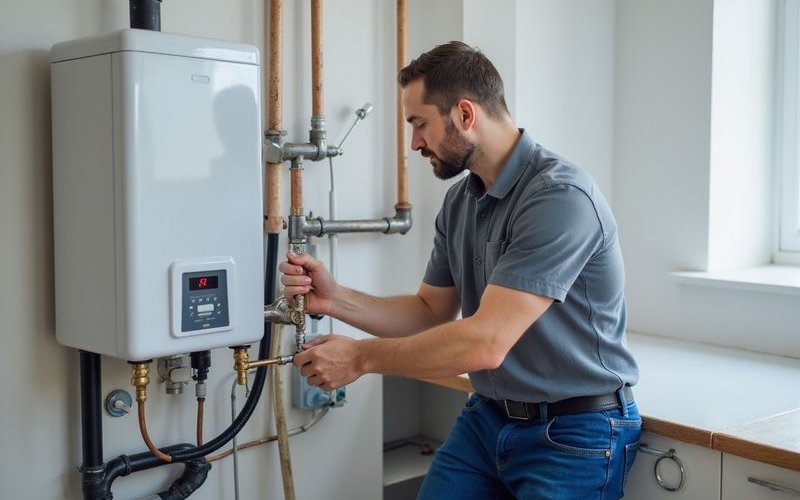
Hot Water System Perth Team
Local hot water experts serving Perth since 2021. Licensed plumbers specialising in heat pump and solar hot water systems.