Do Heat Pump Hot Water Systems Work in Cold Weather? Perth Winter Performance
Understanding how heat pumps perform in Perth's winter temperatures. Efficiency, performance data, and what to expect during cooler months.
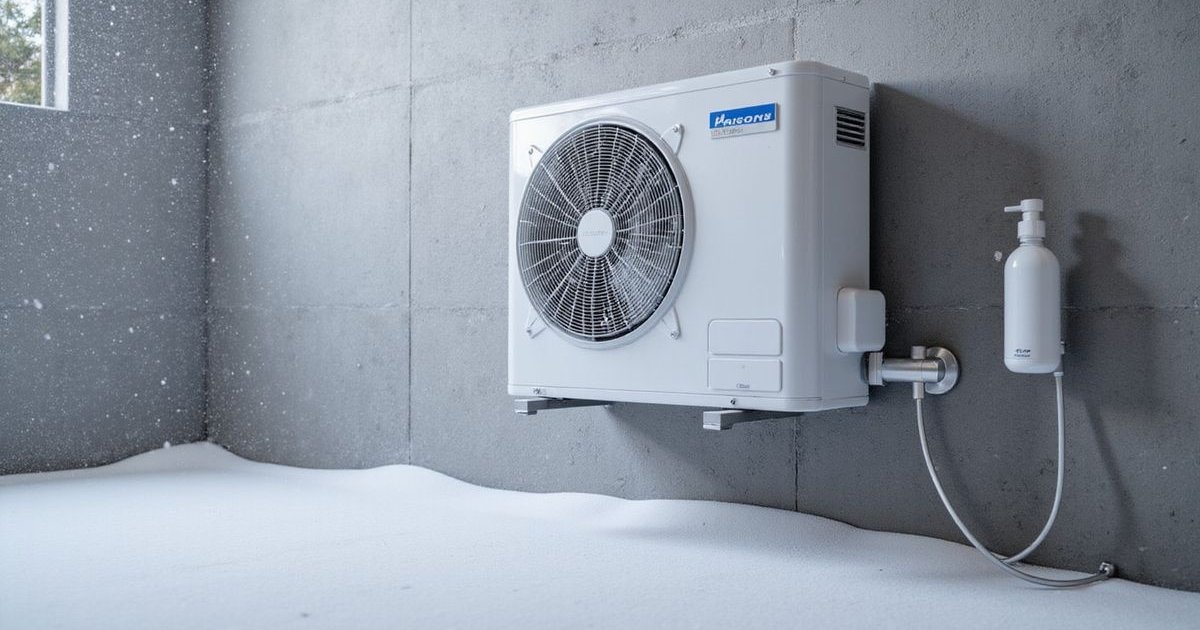
You ask yourself the same question every winter.
Will switching to a heat pump leave my family with lukewarm showers in July?
We hear this concern almost daily at Hot Water System Perth.
Homeowners worry that when the air outside is cold, the system won’t have enough heat energy to harvest.
The reality is quite different.
Modern heat pump technology is designed to handle climates far harsher than what we experience here in Western Australia.
Let’s look at the data, the mechanics, and the practical steps to ensure you get hot water every single morning.
How Heat Pumps Work in Cold Weather
Heat pumps operate like a refrigerator in reverse.
They extract heat energy from the ambient air and transfer it into the water tank using a refrigerant cycle.
Even air that feels “freezing” to humans contains significant heat energy.
We explain this to customers by looking at the boiling point of the refrigerant inside the unit.
Most modern systems use R290 (Propane) or R744 (CO2) refrigerants.
R290, for example, has a boiling point of -42°C.
This means that even on a 5°C morning in Perth, the outside air is actually 47 degrees hotter than the refrigerant.
The system easily absorbs that heat difference to warm your water.
The Cold Weather “Cut-Off” Myth
Many people believe these units stop working at 0°C.
Top-tier units installed in Perth, such as those from Reclaim Energy or iStore, are rated to operate efficiently down to -10°C or even lower.
Performance drops slightly as the temperature dips, but the unit does not stop working.
Perth’s Winter Climate
Perth winters are mild by global standards.
The efficiency of your hot water system depends heavily on the ambient air temperature during the recovery cycle.
Here is the 2025 average temperature data for the Perth metropolitan area during winter months:
| Month | Average Low (°C) | Average High (°C) | Lowest Recorded (Approx.) |
|---|---|---|---|
| June | 9.1°C | 19.3°C | 2.5°C |
| July | 8.0°C | 18.5°C | 1.8°C |
| August | 8.4°C | 19.1°C | 2.1°C |
Suburbs in the Perth Hills or places like Armadale may see temperatures drop 2-3 degrees lower than coastal suburbs.
Even in these colder pockets, the temperature rarely stays at the daily minimum for more than an hour or two just before dawn.
Your heat pump generally runs during the day to recover heat, meaning it operates closer to the 18°C-19°C average high rather than the overnight low.
Efficiency at Different Temperatures
The efficiency of a heat pump is measured by its Coefficient of Performance (COP).
A COP of 4.0 means the unit generates 4kW of heat output for every 1kW of electricity input.
Standard electric storage systems always have a COP of 1.0 (1kW in, 1kW out), regardless of the weather.
We track performance curves for standard 270L systems used across WA.
Typical Performance Range (R290 Refrigerant)
| Air Temperature | Approximate COP | Savings vs Electric Element |
|---|---|---|
| 25°C | 4.2 - 5.1 | ~78% |
| 20°C | 3.8 - 4.2 | ~75% |
| 10°C | 3.0 - 3.4 | ~68% |
| 5°C | 2.4 - 2.8 | ~60% |
You can see a clear trend in the numbers.
Efficiency drops as the temperature falls, but it never reaches the inefficiency of a standard electric element.
Even on the coldest Perth morning at 5°C, a quality heat pump is still more than twice as efficient as a traditional electric system.
This translates to roughly 60% savings on your water heating bill during the absolute worst conditions of the year.
What to Expect in Perth Winters
You will notice small operational changes during June, July, and August.
Understanding these normal behaviors prevents unnecessary service calls.
Longer Recovery Times
The compressor must work harder to extract heat from 8°C air than from 25°C air.
A standard 30-minute recovery in summer might extend to 60 or 70 minutes in winter.
This extended run time is normal and does not indicate a fault.
Increased Fan Noise
Fans may spin at higher RPMs to pull more air through the evaporator coil.
We often recommend installing units away from bedroom windows for this reason.
The noise increase is usually minor (2-3 decibels), but noticeable in the quiet of a cold night.
Defrost Cycles
You might see the unit stop its fan while the compressor continues to run, occasionally releasing a puff of steam.
This is the automated defrost cycle melting frost off the evaporator coils.
It typically lasts 5-10 minutes and ensures the system maintains airflow.
Pro Tip: If you see ice building up on the unit that doesn’t melt away after 24 hours, call a technician. That is an issue. A temporary frost layer that disappears is normal operation.
Maximising Winter Efficiency
We have identified three specific adjustments that can boost your winter COP by up to 15%.
Small changes to how you run the system make a measurable difference in your electricity bill.
1. Shift the “Run Window”
Do not let your heat pump run overnight when the air is 8°C.
Program the timer to run between 10:00 AM and 3:00 PM.
The average winter daytime temperature in Perth is around 18-19°C.
Heating your water during this window drastically improves efficiency compared to running it at 4:00 AM.
2. Leverage Synergy Time of Use
Many Perth homes are on the Synergy “Midday Saver” or similar time-of-use tariffs.
Electricity is cheapest (often around 8 cents per unit) during the middle of the day.
Aligning the heat pump cycle with this window combines high ambient air temperature with the lowest electricity rates.
3. Insulate External Pipes
Heat loss through exposed copper pipes is significant in winter.
We recommend applying purely foam lagging to all external hot water valves and pipes.
This simple $20 hardware store fix keeps the heat in the pipes where it belongs.
Comparison with Other Climates
Perth conditions are mild compared to regions where heat pumps are the standard.
If these systems work in Tasmania, they will breeze through a winter in Joondalup or Fremantle.
Australian Winter Performance Context
| City | Average Winter Low | Difficulty Level |
|---|---|---|
| Perth | 8°C | Easy |
| Melbourne | 6.5°C | Moderate |
| Canberra | 0°C | High |
| Hobart | 4°C | Moderate |
Canberra residents regularly use heat pumps in sub-zero conditions.
Perth residents have the advantage of higher ambient temperatures, ensuring the compressor rarely has to work at maximum capacity.
The Bottom Line
Heat pump hot water systems are not just “workable” in Perth winters.
They are the most efficient option available for our specific climate zone.
You can rely on these systems to deliver:
- Reliable hot water even on 2°C mornings.
- Energy savings of roughly 60-70% compared to electric storage in winter.
- Superior performance compared to old-school solar boosters that rely on cloudless days.
Our team has replaced hundreds of units across the metro area, and cold-weather complaints are virtually non-existent for properly sized systems.
If you are worried about your specific location—perhaps you live in a frost-prone area of the Hills—we can help you select a unit with active defrost protection.
[AddInfographic]
Hot Water System Perth Team
Local hot water experts serving Perth since 2021. Licensed plumbers specialising in heat pump and solar hot water systems.