Gas vs Electric Hot Water in Perth: Running Costs and Efficiency Compared
Compare gas and electric hot water running costs for Perth. Energy prices, efficiency ratings, and which system saves more long-term.
Deciding between gas and electric hot water used to be a simple choice based on what was already connected to your house.
We know that in 2026, the conversation has shifted entirely to solar availability and “time-of-use” tariffs.
Smart homeowners now look beyond the sticker price of the unit. The real story lies in the daily running costs and how your system interacts with Perth’s specific energy grid updates.
Let’s break down the hard numbers for the current market and look at the clear winner for long-term savings.
Current Perth Energy Prices (2026)
Your running costs are tied directly to the specific tariff plan you choose.
We track these rates weekly to give our clients accurate payback periods. Perth residents on the South West Interconnected System (SWIS) face a unique pricing structure compared to the East Coast.
Electricity Prices (Synergy)
Standard electricity rates have evolved to encourage daytime usage.
- Standard Home Plan (A1): approximately 30 cents per unit (kWh).
- Midday Saver (Time of Use): This is the game changer. Rates drop to roughly 8 cents per kWh between 9 am and 3 pm.
- Solar Feed-in: Retailers typically offer between 2.5 and 10 cents per kWh for exported power.
Natural Gas Prices (ATCO Network)
Gas pricing involves both usage and a daily connection fee.
- Usage Rate: Approximately 14-16 cents per unit (3.6 MJ equals 1 unit).
- Supply Charge: Fixed cost of roughly 25-30 cents per day regardless of usage.
These supply charges mean you pay over $100 a year just to have the meter connected.
System Types Compared
Gas Hot Water Options
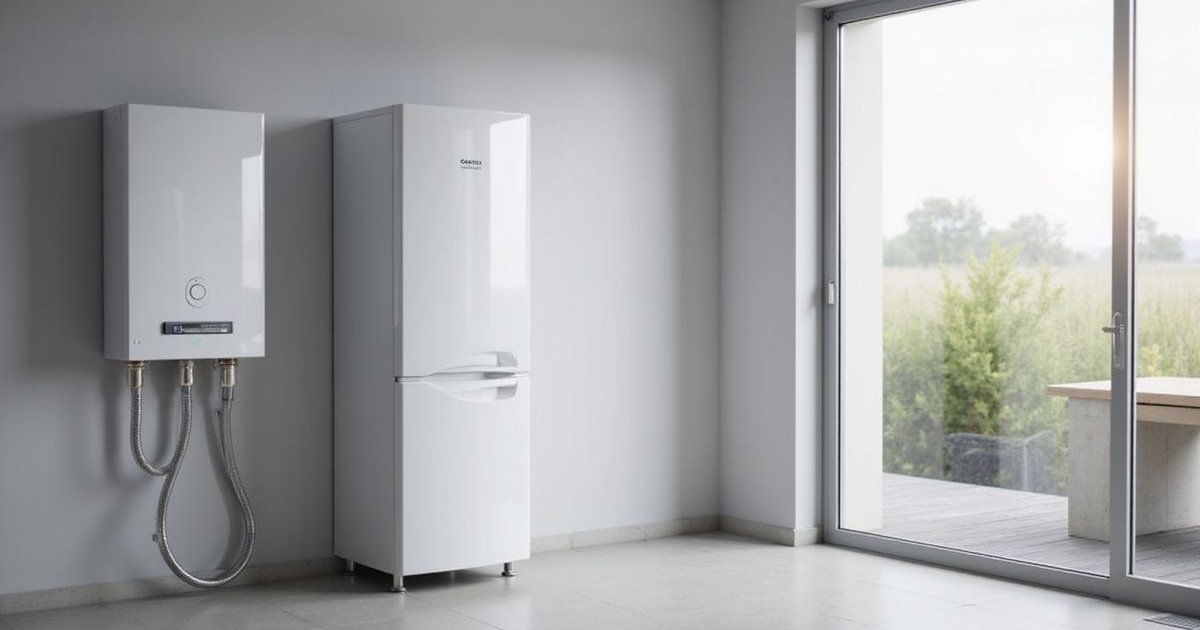
Gas Storage These systems heat water in a tank ranging from 135 to 360 litres.
- How it works: A burner keeps water hot 24/7.
- Efficiency: Older units are 3-4 stars, while modern 5-star units are about 90% efficient.
- The downside: You burn gas constantly to maintain temperature, even when you aren’t home.
Gas Instantaneous (Continuous Flow) This is the most common gas upgrade we install for space-conscious homes.
- How it works: Powerful burners ignite only when you turn on the tap.
- Efficiency: High-end models from brands like Rinnai or Rheem reach 6 or 7-star ratings (up to 95% efficient).
- The benefit: You never run out of hot water, and there are zero storage losses.
Electric Hot Water Options
Electric Storage (Resistive) These are the traditional cylinders found in older properties.
- How it works: An electric element boils water like a giant kettle.
- Efficiency: Technically 100% efficient at the element, but expensive to run if using peak-rate electricity.
- The restriction: New government regulations essentially ban these for most existing home replacements due to their high grid load.
Heat Pump (The Modern Standard) We install more of these than any other system type right now.
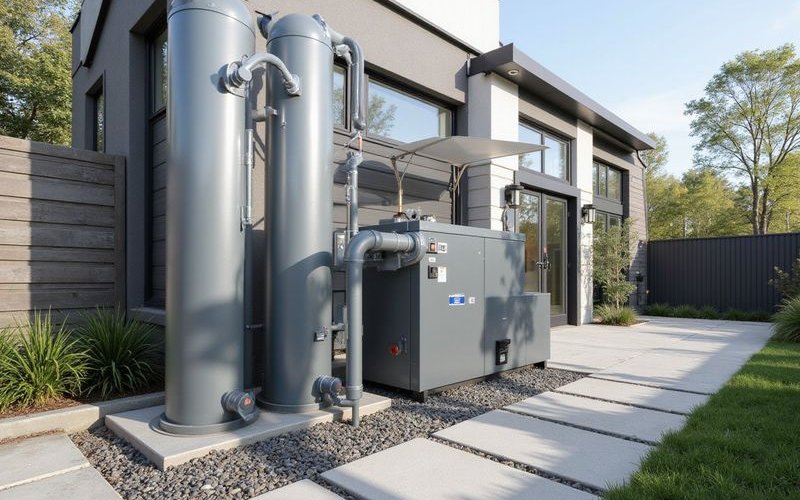
- How it works: It operates like a reverse fridge, using a compressor to extract heat from the outside air and transfer it to the water.
- Efficiency: They offer a Coefficient of Performance (COP) of 4.0 or higher.
- The math: For every 1 kW of electricity you pay for, you get 4 kW of heat energy.
Running Cost Comparison
The following scenarios compare annual costs for a standard Perth family of four using 200 litres of hot water daily.
We have calculated these figures using current 2026 averages to show the gap between technologies.
Scenario 1: Gas vs. Electric Storage (The Old School)
Gas Storage (4-Star)
- Annual Gas Usage: ~18,000 MJ.
- Usage Cost: ~$750.
- Supply Charges: ~$100+.
- Total: ~$850 - $1,100 per year.
Electric Storage (Standard A1 Tariff)
- Annual Electricity: ~4,000 kWh.
- Cost at ~30c/kWh: ~$1,200.
- Total: ~$1,200+ per year.
Standard electric storage is the most expensive way to heat water in Perth.
Scenario 2: Gas Instantaneous vs. Heat Pump (The Modern Choice)
Gas Instantaneous (6-Star)
- Annual Gas Usage: ~15,000 MJ.
- Usage Cost: ~$630.
- Supply Charges: ~$100+.
- Total: ~$750 - $900 per year.
Heat Pump (Midday Saver / Solar Sponge)
- Annual Electricity: ~1,000 kWh.
- Cost at ~8c/kWh (Super Off-Peak): ~$80.
- Total: ~$80 - $150 per year.
The takeaway is clear: A heat pump running on a timer during the day costs less than a coffee per week to run.
Efficiency Explained
Why Gas Is Losing Ground
Gas was once the cheap, clean alternative, but the math has changed.
Several specific inefficiencies chip away at your wallet:
- Combustion Loss: Even the best systems lose 5-15% of heat through the exhaust flue.
- Pilot Lights: Older storage units burn gas 24/7 just to stay ready.
- The “Second Bill” Problem: If you switch your cooktop to induction, keeping a gas connection just for hot water incurs nearly $200 a year in fixed supply fees.
Why Heat Pumps Dominate in Perth
Our climate is perfectly suited for heat pump technology.
These systems rely on ambient air temperature to function efficiently.
- Climate Advantage: Perth rarely freezes. Even on our coldest July nights (roughly 5°C - 8°C), quality units like Reclaim or iStore operate at high efficiency.
- Solar “Soaking”: The system acts as a thermal battery. You heat the water to 65°C using free solar power or cheap midday grid power, and the tank stays hot for evening showers.
Upfront Costs vs. Running Costs
Price is always the first question we get asked.
While heat pumps have a higher shelf price, government incentives drastically reduce the final invoice.
Installation Costs (Typical Perth Range)
| System Type | Estimated Installed Cost | Rebates Applied? |
|---|---|---|
| Gas Storage | $1,800 - $2,500 | No |
| Gas Instantaneous | $1,600 - $2,800 | No |
| Electric Storage | $1,400 - $2,200 | No |
| Heat Pump | $3,000 - $4,500 | Yes (STCs deducted) |
Total Cost of Ownership (10 Years)
| System Type | Install Cost | 10-Year Running Cost | Total Cost |
|---|---|---|---|
| Gas Instant | $2,200 | $8,500 | $10,700 |
| Electric Storage | $1,800 | $12,000 | $13,800 |
| Heat Pump | $3,800 | $1,500 | $5,300 |
The data proves that a heat pump pays for itself within 3 to 4 years compared to gas.
When Gas Still Makes Sense
Despite the efficiency of electric options, we still recommend gas for specific scenarios.
Sometimes the logistics of your property dictate the solution.
- Apartment Living: If you have a small balcony or no ground space for a compressor unit, a wall-mounted gas instant system is often the only option.
- Huge Families: If you have 6+ people showering back-to-back, a continuous flow gas unit provides literally endless hot water.
- Low Amperage Supply: Older homes with 32-amp main switches may not handle the additional load of a heat pump without an expensive switchboard upgrade.
The Electrification Trend
Perth is rapidly moving toward an all-electric future.
New housing developments across WA are increasingly skipping gas infrastructure entirely to save on development costs.
Key factors driving this shift include:
- Rising Gas Network Costs: As more people leave the gas grid, the fixed costs for remaining users will likely rise.
- Solar Penetration: WA has one of the highest rates of rooftop solar in the world. Using your own power is always cheaper than buying imported fuel.
- Heat Pump Rebates: Federal STCs (Small-scale Technology Certificates) provide a point-of-sale discount of roughly $800 to $1,000 for eligible heat pumps.
Our Recommendation
For the vast majority of Perth homeowners, the verdict is straightforward.
1. The Winner: Heat Pump This is the best financial choice. If you have a sunny spot for the compressor and want to slash bills, this is the way to go.
2. The Runner Up: Gas Instantaneous Choose this if space is tight or you have an unusually high demand for continuous hot water.
3. The Avoid List: Electric Resistance Storage Unless you are on a very specific controlled load tariff or have extremely low usage, these are too expensive to run.
4. The Legacy Option: Gas Storage We rarely recommend installing a new gas storage tank unless it is a like-for-like swap in a rental property where upfront cost is the only concern.
Getting Accurate Advice
Every home has different plumbing layouts and electrical capacities.
We specialize in assessing your specific setup to find the “sweet spot” between installation price and long-term savings.
- Solar Analysis: We check if your current solar system can support a heat pump.
- Rebate Eligibility: Our team handles the STC paperwork to ensure you get the maximum discount.
- Site Inspection: We verify if your switchboard and plumbing need upgrades before quoting.
Contact us today for a transparent, data-backed assessment of your hot water needs.
Hot Water System Perth Team
Local hot water experts serving Perth since 2021. Licensed plumbers specialising in heat pump and solar hot water systems.