Are Heat Pump Hot Water Systems Noisy? What Perth Homeowners Should Know
Addressing common concerns about heat pump noise levels. Understand decibel ratings, placement strategies, and what to expect from modern units.
Are Heat Pump Hot Water Systems Noisy? What Perth Homeowners Should Know
One of the most frequent worries we hear from Perth homeowners considering a switch to heat pumps is the fear of angry neighbours. You might be concerned that a new system will hum loudly all night, keeping you (or the people next door) awake. The good news is that for most modern units, this fear is largely outdated.
The Decibel Truth: Modern Units vs. Old Reputation
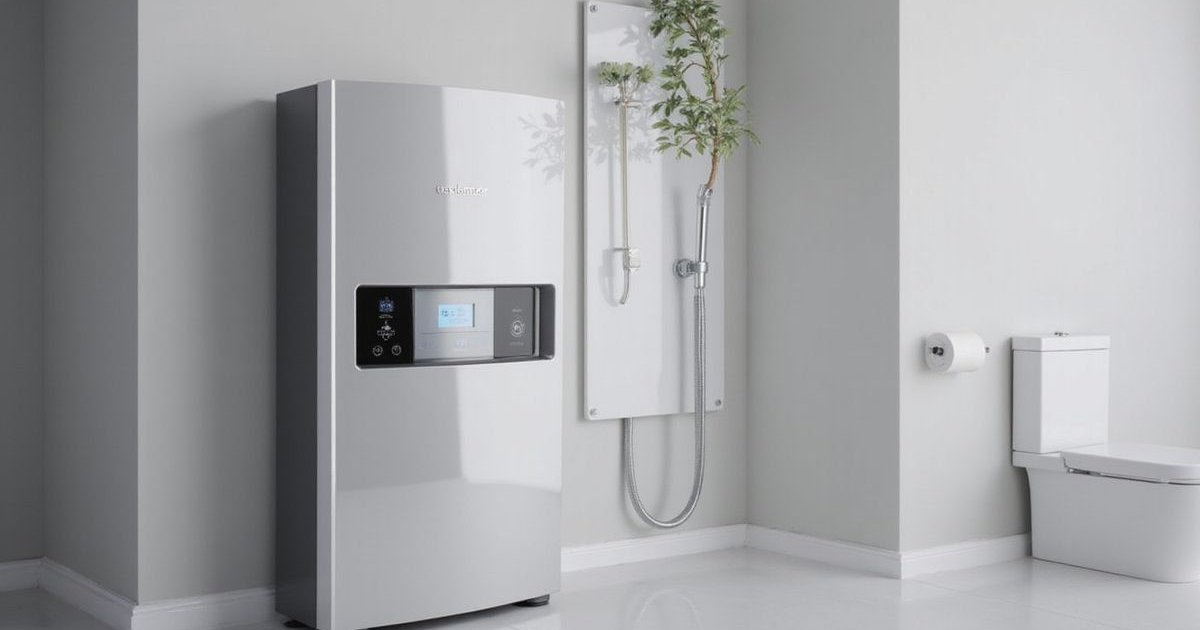
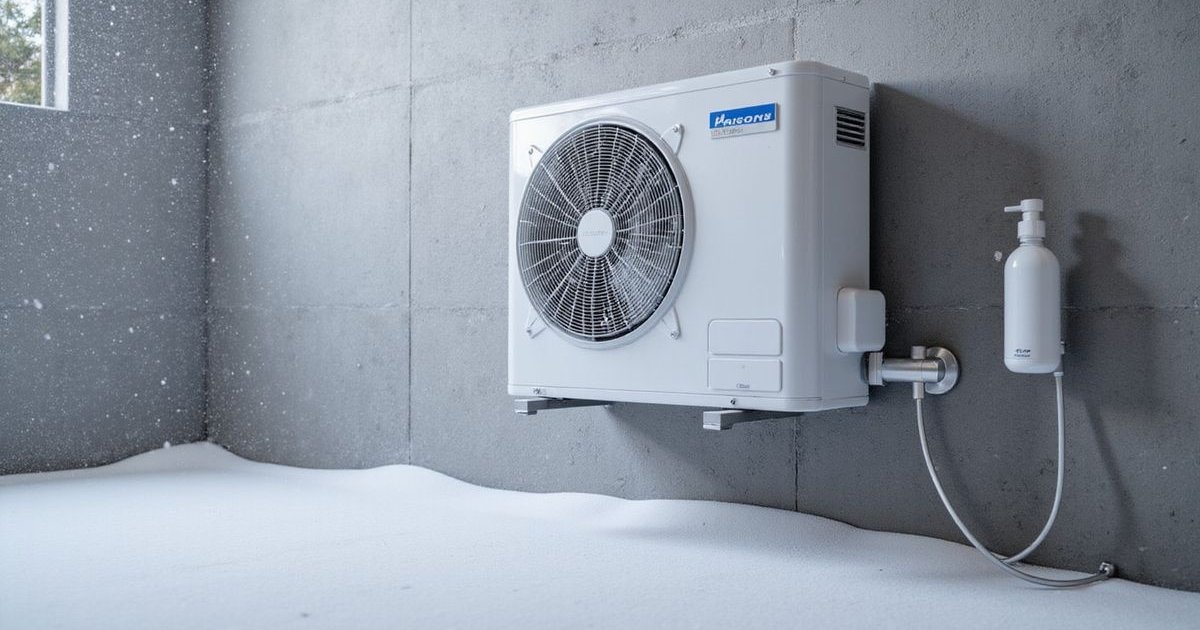
Heat pumps do make noise because they use a compressor and fan, much like a reverse-cycle air conditioner. However, the technology has advanced rapidly in the last five years. We find that many homeowners are surprised to learn that a premium heat pump is often quieter than the flue exhaust from an old gas storage unit.
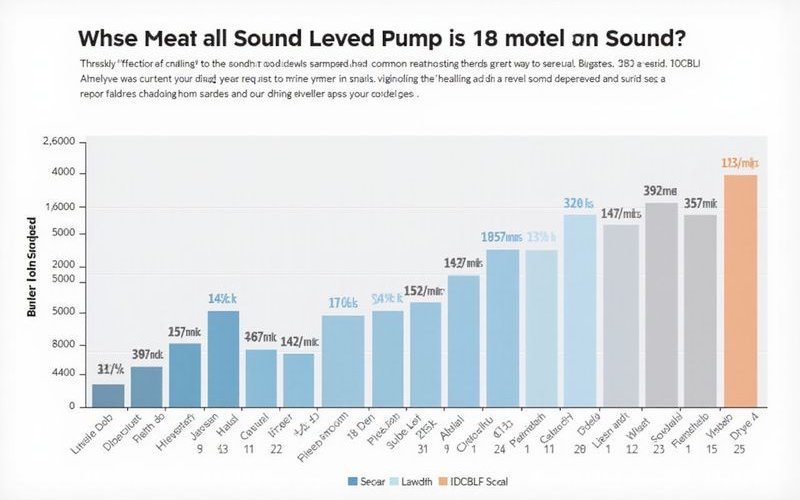
To give you a clear picture, here is how popular models available in Perth compare to everyday sounds.
Noise Levels of Common Perth Models
| Sound Source | Average Decibel Level (dB) |
|---|---|
| Reclaim Energy CO2 Heat Pump | 37 dB (Whisper Quiet) |
| Library Interior | 40 dB |
| Stiebel Eltron WWK 302 H | 45 dB |
| Rheem Ambiheat HDc-270 | 48 dB |
| iStore 270L | 48 dB |
| Normal Conversation | 60 dB |
| Standard Air Conditioner | 65-70 dB |
Most quality systems we install sit comfortably between 37 and 48 decibels when measured at one metre. This level is comparable to the hum of a modern refrigerator or a quiet library.
The “Perth Factor”: Understanding Local Regulations
It is critical to understand the specific rules that apply to Western Australian properties. In WA, the Environmental Protection (Noise) Regulations 1997 set strict limits on the noise that can reach your neighbour’s boundary line.
These “assigned levels” generally follow a standard pattern for residential areas:
- 7 am to 7 pm: 50 dB(A)
- 7 pm to 10 pm: 45 dB(A)
- 10 pm to 7 am: 40 dB(A)
The “5 dB Penalty” Trap
There is a specific detail in the regulations that many installers miss. If a noise is considered “tonal” (meaning it has a distinct whining or buzzing quality), the council adds a 5 dB penalty to your reading. This means a 40 dB measurement is legally treated as 45 dB, potentially causing a violation at night.
We always recommend choosing a high-quality unit with a smooth, non-tonal sound profile to avoid this specific regulatory pitfall.
The Golden Window: Timing Is Everything
You can virtually eliminate noise complaints by controlling when your system runs. In Perth, we have a unique advantage with our abundant sunshine and specific energy tariffs.
Use the “Solar Sponge”
The Synergy Midday Saver plan offers a “Super Off Peak” rate between 9 am and 3 pm. Running your heat pump during this window solves two problems at once. First, it operates when ambient noise (traffic, birds, wind) is highest, masking the unit’s sound. Second, you take advantage of the cheapest electricity rates or your own solar generation.
Most modern heat pumps have built-in timers. We simply program the unit to do its heavy lifting between 10 am and 2 pm. This ensures the tank is fully heated before the sun goes down, meaning the unit stays silent throughout the quiet night hours.
Smart Installation Strategies
Even the quietest unit can become a nuisance if installed poorly. Our experience since 2021 has taught us that where you put the unit matters just as much as which one you buy.
The Fence Reflection Effect
Avoid installing the fan unit directly facing a brick fence or wall that is less than one metre away. Hard surfaces act like a mirror for sound, bouncing the noise back and amplifying it. If a tight space is unavoidable, we often suggest adding an acoustic absorbing material to the facing wall to dampen the reverberation.
Essential Mounting Hardware
Never let an installer bolt a heat pump directly to a concrete slab without protection. We insist on using rubber anti-vibration feet or “waffle pads” for every installation. These simple rubber mounts stop the compressor’s vibration from travelling into the ground and up through the walls of your home.
The 3-Metre Rule
Whenever possible, try to keep the unit at least 3 metres away from bedroom windows—both yours and your neighbour’s. Distance is the most effective natural sound dampener available.
Insider Tips for Noise-Sensitive Homes
If you live in a strata complex, a townhouse, or a property with zero lot lines, you need to be extra careful.
- Ask for “Quiet Mode”: Some premium models feature a specialized “Night Mode” or “Quiet Mode” that reduces fan speed to lower decibels, though this usually slows down the heating recovery rate.
- Check the Fan Direction: Standard units blow air horizontally. If you have a narrow side passage, consider a unit with a top-discharge fan or use a deflector to aim the air (and noise) upward rather than at the fence.
- Maintenance Matters: A unit that suddenly gets louder often has a simple problem, like a loose panel or debris caught in the fan grill. Regular checks can keep the unit running at its factory-rated sound level.
Making Your Decision
Noise should be a factor in your choice, but it shouldn’t be a dealbreaker.
- Check the Spec Sheet: Look for the dB rating at 1 metre. Anything under 50 dB is generally safe for residential use.
- Prioritize the Timer: Ensure your chosen model has an easy-to-set timer so you can stick to the 9 am - 3 pm window.
- Invest in Quality: The price difference for a premium model often pays for itself in quieter operation and better longevity.
Modern heat pump technology effectively solves the noise issue for the vast majority of Perth homes. With the right unit, smart timing, and proper installation, you will likely forget the system is even there.
Contact us for an assessment where we can discuss placement options specific to your property layout.
Hot Water System Perth Team
Local hot water experts serving Perth since 2021. Licensed plumbers specialising in heat pump and solar hot water systems.